NATIONAL
HEALTHCARE 2025
Business programme
- 23.10.2025
- 10:45–12:15
- National Center “Russia”, Concert Hall
- Broadcast
- Plenary session
The development of the economy, agriculture, manufacturing, the chemical industry, and other sectors over the past century has helped reduce hunger significantly in many countries around the world. And Russia is no exception. But every coin has two sides: food has become loaded with calories, oversaturated with sugars and salt, and our diets have become supplemented with substances that are harmful to human health, including trans fats, artificial colouring and flavouring. Together, this has led to a new modern pandemic: global obesity and related diseases such as diabetes, which are spreading rapidly among people of all ages. Moreover, lifestyle changes have made food even more accessible through delivery services and other technologies. The principles of healthy eating have been known to science for decades, yet only a small part of the population follows the recommendations of doctors and nutritionists. To reverse this situation, we must answer the question: Where does the line of responsibility lie between the state, food manufacturers, health care organizations, and each individual person? What measures are most effective when it comes to shaping conscious consumer choices?
Moderators

Speakers
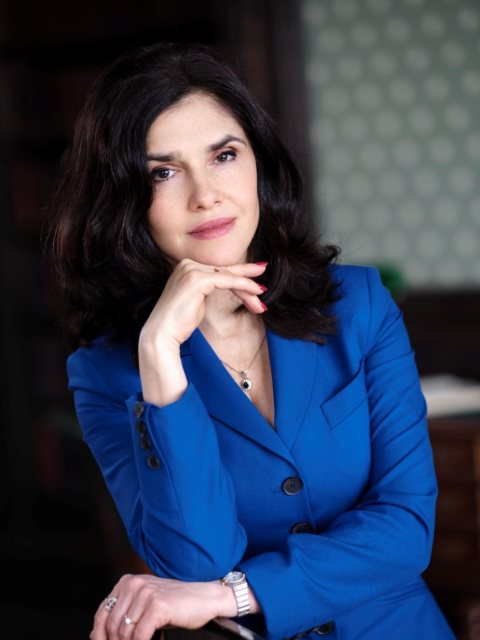
Oksana Drapkina
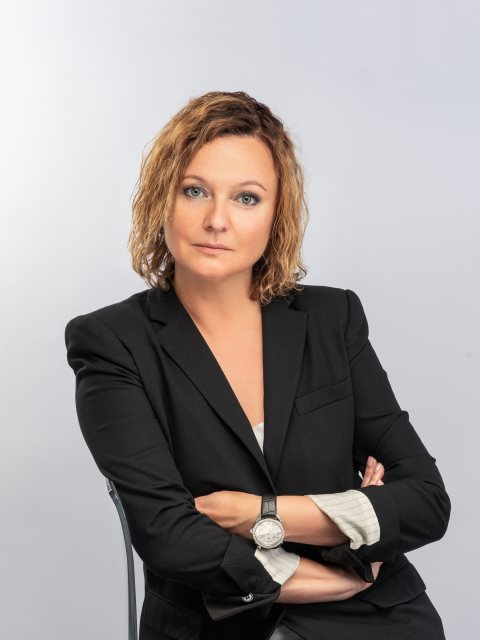
Anna Meleshina

Anastasia Mikhailova
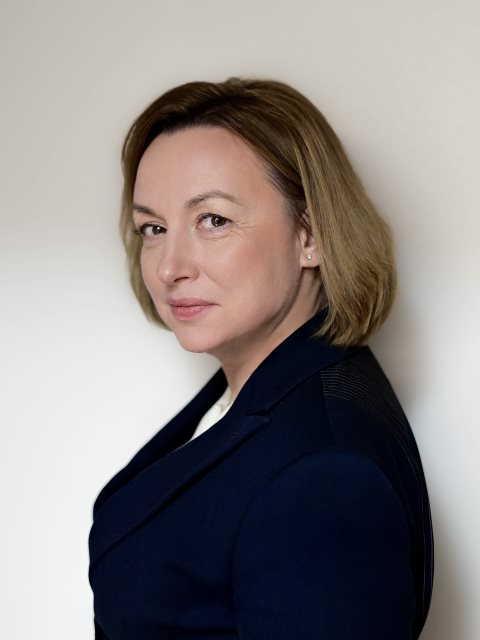
Antonina Starodubova