NATIONAL
HEALTHCARE 2025
Business programme
- 22.10.2025
- 09:00–10:15
- National Center “Russia”, press room, 4th floor
- Broadcast
The amount of data generated by the modern healthcare system, from electronic health records and wearables to next-generation genomic sequencing technology and information about the human, technical, and financial resources at the system’s disposal is unprecedented. The value of this informational abyss, however, lies elsewhere and presents clinicians, healthcare planners, and IT specialists with the challenging task of managing the data properly and using it to make decisions in real time. It is hard to exaggerate the significance of this task. As healthcare professionals increasingly find themselves pressed for time and constrained by systemic shortcomings, integrated analytical solutions that reach beyond simple visualizations to offer clear actionable steps become more and more sought after. Otherwise, we are left with nothing more than noisy data that fails to actually save lives or increase efficiency. How can we ensure our clinical data is relevant? How can we ‘mind the analytics gap’ and ensure analytics are finding their way into our process management? How can we know for sure it’s time to act on the data we’ve received?
Speakers

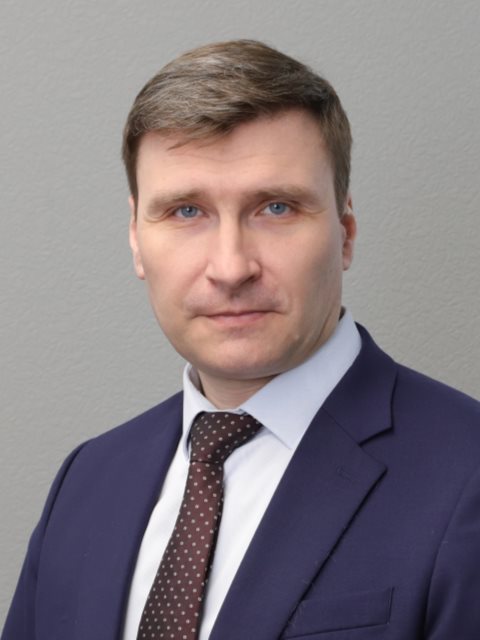
Ilya Balanin

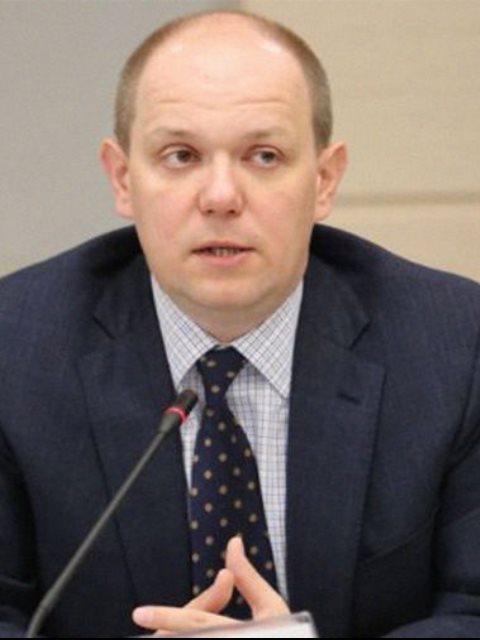
Evgeny Gradoboev
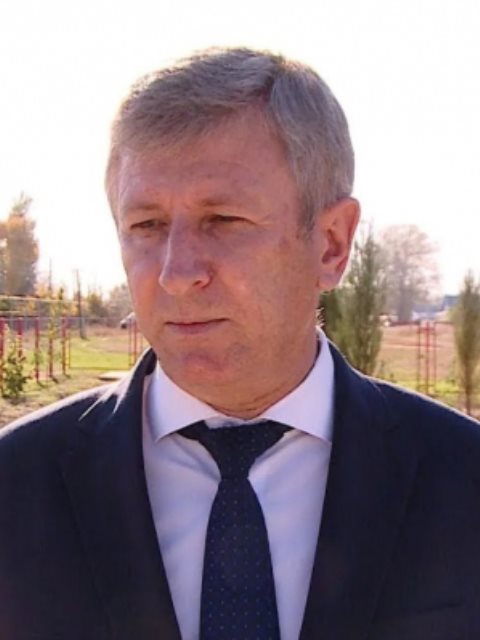
Anatoly Sebelev