NATIONAL
HEALTHCARE 2025
Business programme
- 23.10.2025
- 09:00–10:15
- National Center “Russia”, conference hall 2, 2nd floor
- Broadcast
Cultivating managerial potential is a key strategic focus of the Russian healthcare system. Ensuring continuity in the management of medical institutions and the executive authorities in charge of healthcare is crucial to improving the quality of medical care and satisfaction among the public. It is particularly important to improve the system for training managerial personnel and enhancing the expertise of existing managers at the federal and regional levels. What tools should the healthcare industry develop to attract managers and enhance their professional development? What is the best way to assess managerial potential and build an individual educational trajectory for healthcare leaders? How can we ensure continuity in management and minimize risks associated with staff changes at medical institutions? What types of incentives could help attract and retain skilled managers at medical institutions, including in rural areas and remote regions?
Speakers
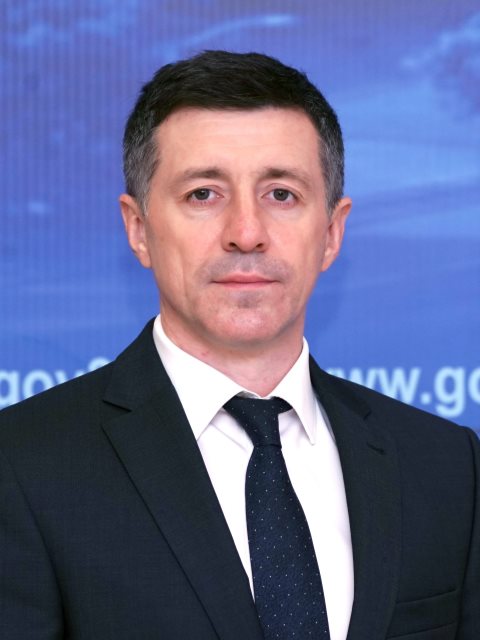
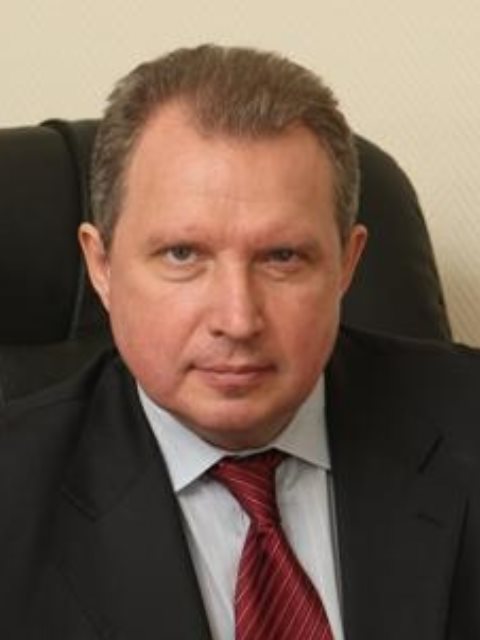
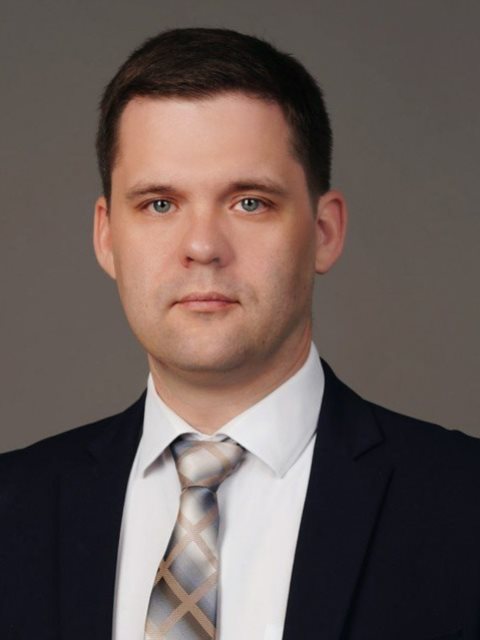
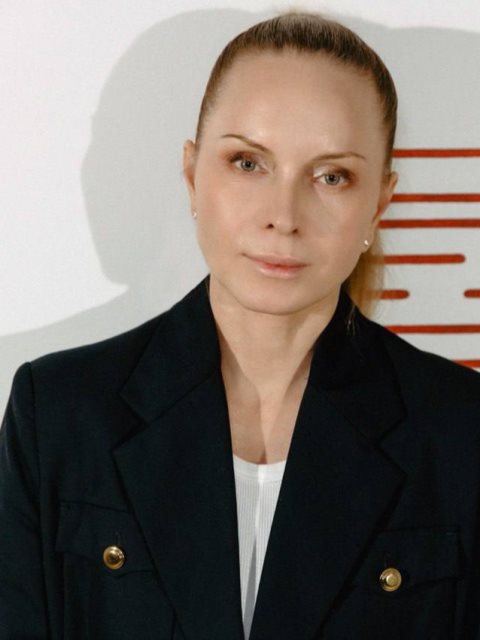
Sergey Dmitriev
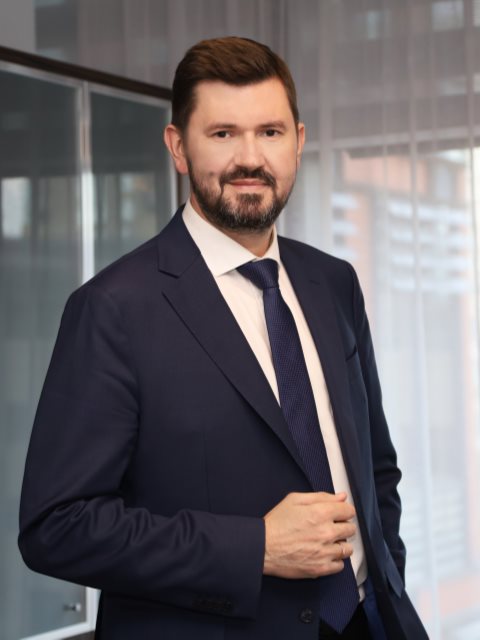
Maxim Papushenko
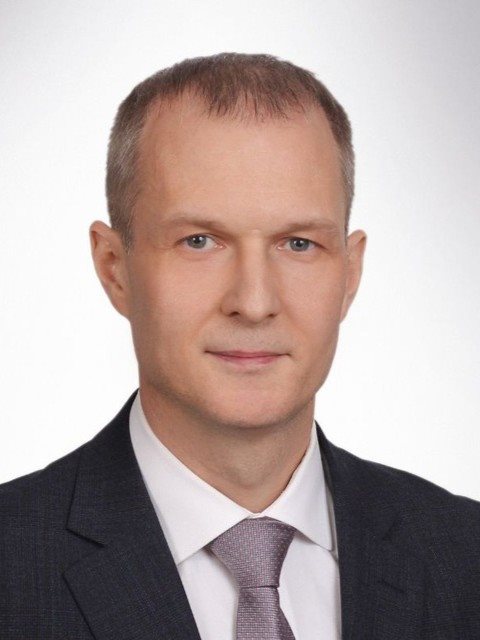
Roman Paskov
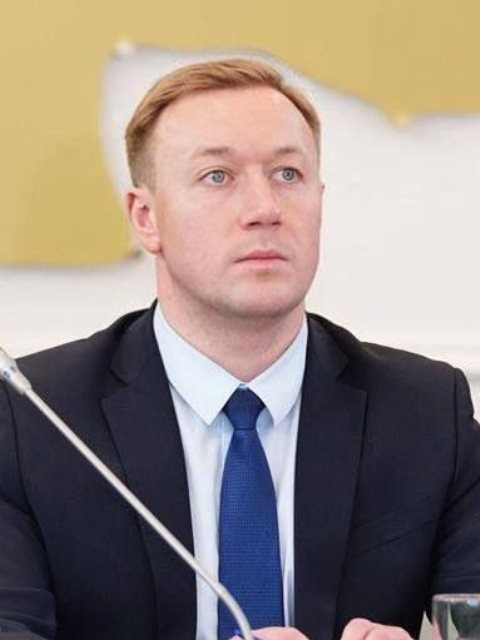
Valery Royuk

Elena Trdatyan