NATIONAL
HEALTHCARE 2025
Business programme
- 22.10.2025
- 13:00–15:00
- National Center “Russia”, Concert Hall
- Broadcast
- Opening Ceremony
- Plenary session
Throughout its history, health care has developed primarily as a system that is aimed at combating known diseases. However, in the 21st century, new technologies are emerging that open the door to a fundamentally new approach to human health management based on personalized and predictive medicine. Doctors are now able to predict potential health problems, including at a very early age and even long before birth, and intervene promptly to reduce the likelihood of serious complications. These changes are driven not only by the introduction of new medical devices, but also by innovative digital health care technologies, the development of artificial intelligence, and the introduction of big data analysis methods and wearable devices. In addition, advances in medical science allow us to think in completely different categories regarding human health: genetic screening, personalized gene therapy, mRNA vaccines, and other technologies help prevent extremely rare and severe diseases. The coordination of efforts across various sectors of the economy and government agencies is moving health care far beyond its traditional boundaries, transforming it into a system that is focused on the needs of each individual patient. It would be no exaggeration to say that a paradigm shift has taken place: the emphasis in health care is increasingly shifting from providing medical assistance to predictive personalized medicine. This notwithstanding, it is imperative that this process be implemented properly and that the tools at our disposal are utilized optimally.
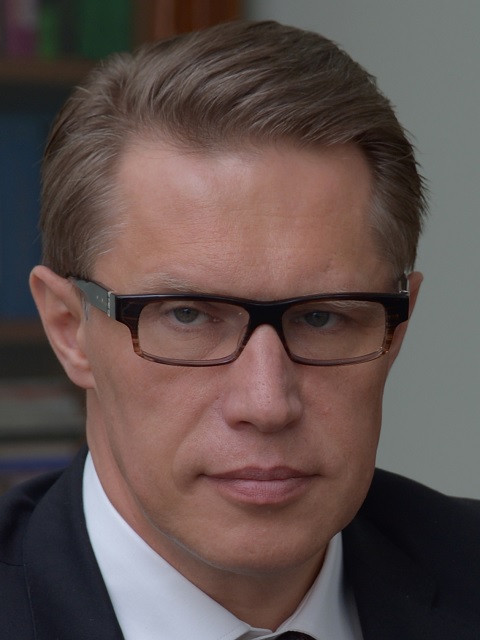
Speakers
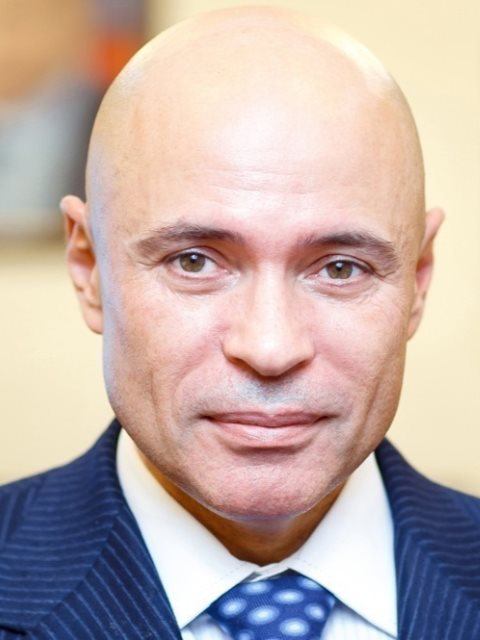
Igor Artamonov
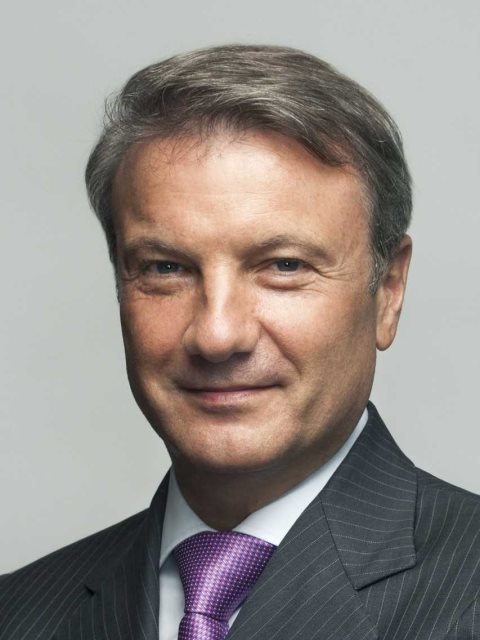
Herman Gref
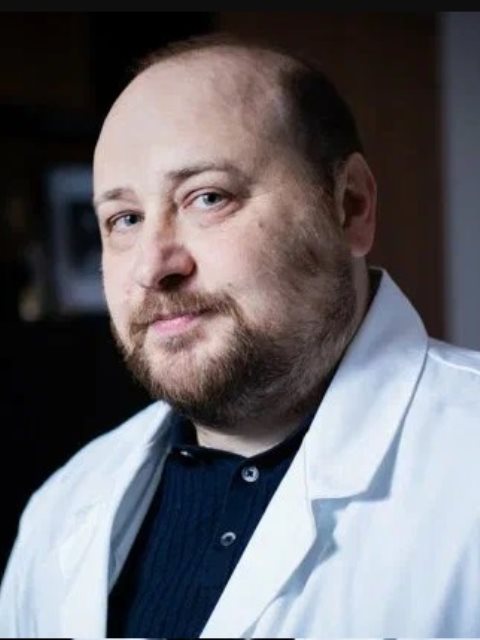
Denis Logunov