NATIONAL
HEALTHCARE 2025
Business programme
- 22.10.2025
- 10:45–12:00
- National Center “Russia”, press room, 4th floor
- Broadcast
Russia is implementing a wide range of measures to integrate the latest advances in cell technologies and genetic engineering into clinical practice. As a result of global discoveries in cell biology and genetics, unique treatments have emerged for life-threatening diseases, including cancer, with personalized medications tailored to each patient. At present, scientists are particularly focused on scaling up the introduction of CAR-T therapy, highly effective cell therapy using genetically engineered immune cells. The indications for genetically modified immune cell technology and the potential for its use are expanding every year, which significantly impacts the survival rate of cancer patients. Cutting-edge technological solutions are being developed to create “universal” allogeneic CAR-T cell-based products, as well as vector systems for in vivo CAR-T therapy, which can modify cells directly within a patient’s body. How can innovative cell therapy technologies be effectively integrated into Russian healthcare? How do special legal regimes accelerate the introduction of innovative therapies and make them more available to patients, and how do they influence the investment appeal of new developments? What economic mechanisms could cover the costs of CAR-T therapy? What are some of the research-related challenges and potential barriers to the widespread introduction of advanced therapies into Russian healthcare?

Speakers

Denis Baranovskii
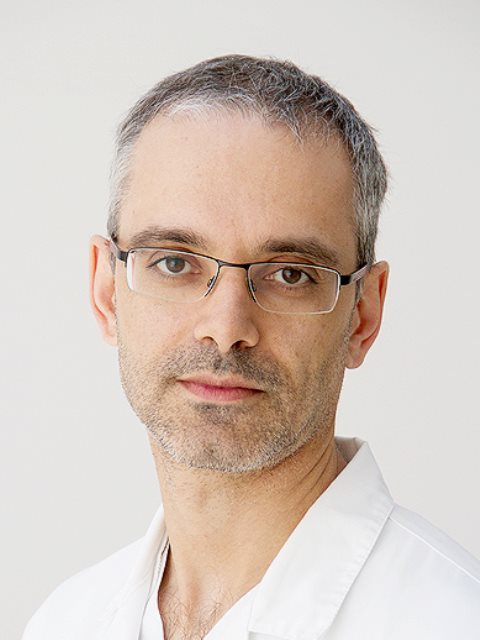
Mikhail Maschan
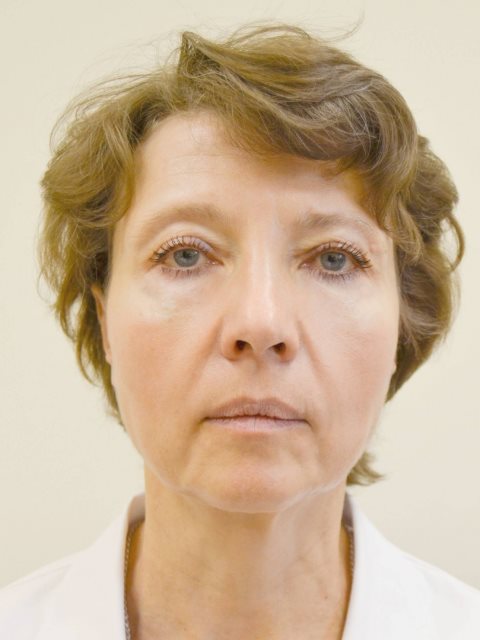
Elena Parovichnikova
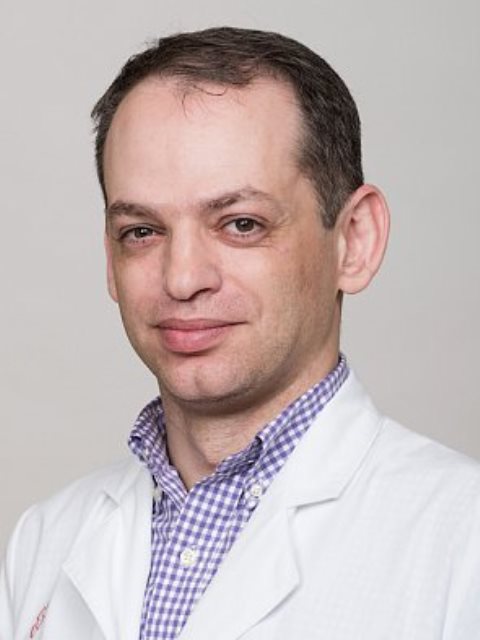
Alexander Petrovskiy

Vasily Reshetnikov
Aleksandr Rumyantsev