NATIONAL
HEALTHCARE 2025
Business programme
- 22.10.2025
- 15:30–16:45
- National Center “Russia”, conference hall 2, 2nd floor
- Broadcast
Russian citizens are provided with free drugs under state guarantees based on lists of drugs that provide access to therapy at both the outpatient and inpatient levels. The regular updating of these lists helps to prioritize people’s healthcare needs for disease prevention and treatment, including with the use of state price regulation, and also show that there has been a steady increase in the share of domestic developments and solutions, which contributes to the country’s goal of achieving the targets of its national projects and boosting its overall technological leadership. However, given the external challenges in the current economic environment, it is still crucial to improve regulations on the compilation and updating of lists, come up with effective tools to expand guaranteed access to modern drugs, and ensure targeted improvements in the sustainability of the drug supply system by strengthening drug security, localizing production, and enhancing the reliability of supply chains. What management decisions could speed up the registration and inclusion of new drugs in lists, while maintaining procedural transparency and compliance with the deadlines and targets of the country’s national projects? How can we ensure the inclusion of drugs with the greatest clinical or economic value for the healthcare system? Could the introduction of a mechanism to include drugs in the list based on clinical indications be a promising approach and in this case could we introduce a mechanism that ensures separate pricing based on individual indications? How can we work out coordinated approaches to improving the process for assessing and including drugs in the lists that take into account the goals of Russia’s national projects, best international practices, and the sustainable use of resources? What is the outlook for transitioning from a subsidized drug provision system to a universal drug provision system and what mechanisms are needed for this? What financing models could ensure universal access to drugs for all categories of citizens?
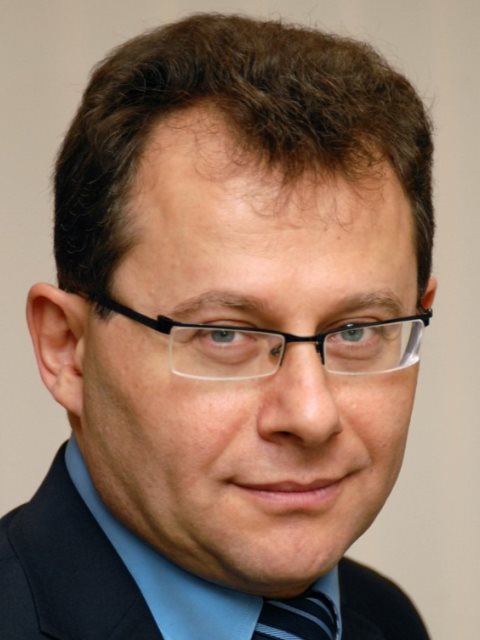
Speakers
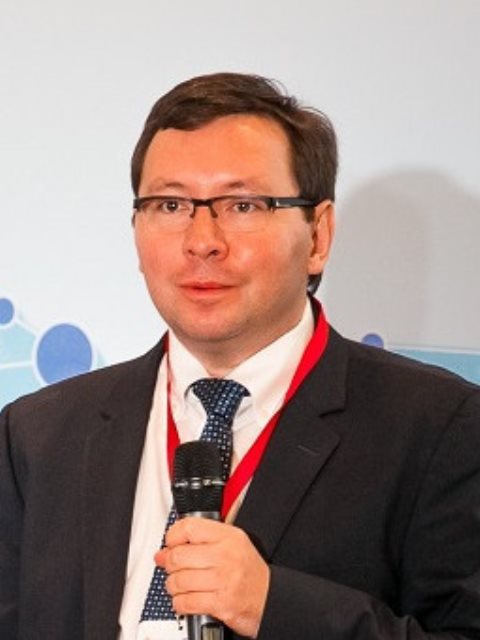
Sergey Glagolev
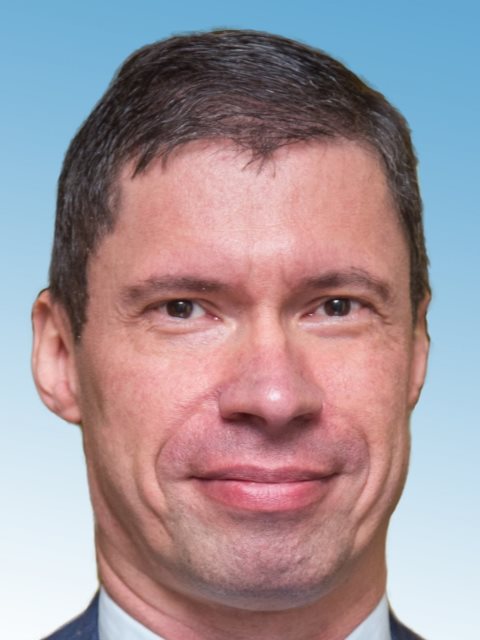
Yury Zhulev
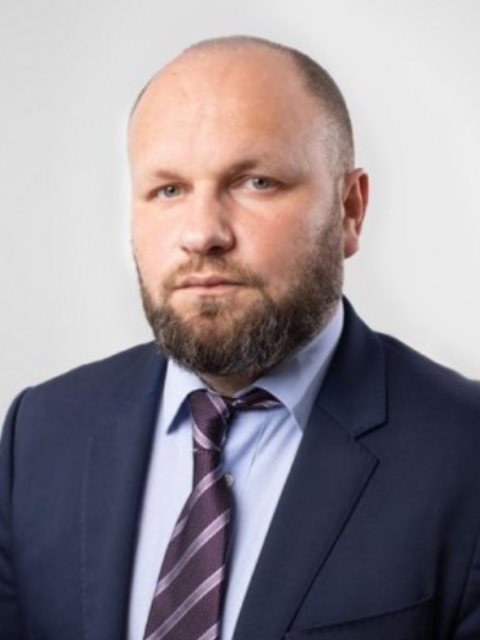
Yury Komarov
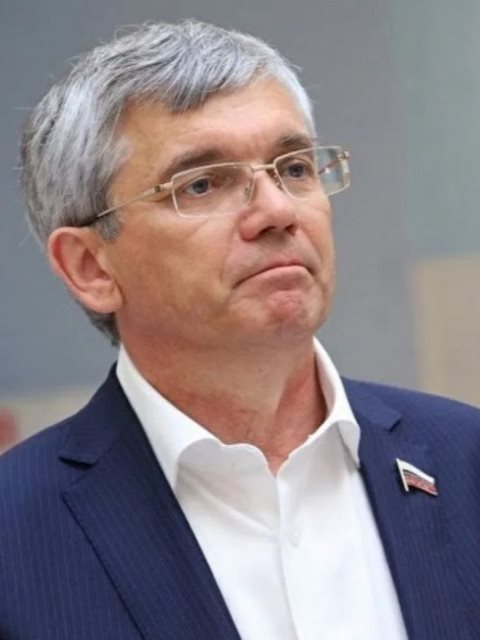
Aleksandr Petrov
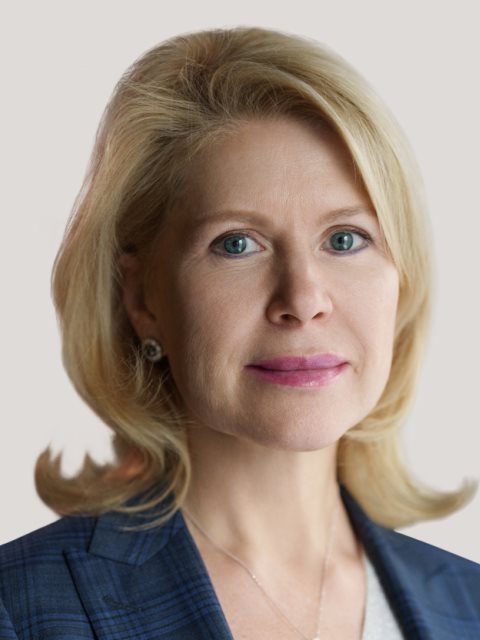
Ekaterina Priezzheva