NATIONAL
HEALTHCARE 2025
Business programme
- 22.10.2025
- 17:15–18:30
- National Center “Russia”, conference hall 3, 2nd floor
- Broadcast
From 2025 to 2030, Russia will continue to work on its project to combat cancer in which the key goal is to increase life expectancy by improving the accessibility and quality of medical care. The project aims to achieve concrete results in increasing the early detection of malignant tumours, reducing one-year mortality rates after diagnosis, boosting the share of remissions, and expanding the coverage of follow-up care for cancer patients who have completed treatment (up to 90%). However, these goals cannot be achieved without a technological breakthrough in clinical practice. Modern oncology is actively trending towards minimally invasive technologies that reduce surgical interventions, shorten recovery periods, and improve the accuracy of tumour removal. What current challenges in prevention, diagnosis, and treatment will improve the agenda for preventing and reducing cancer mortality? What solutions will bring medical care even closer to patients and improve its accessibility? How can we scale up successful regional practices in providing medical care – from primary care to high-tech? Will these new goals require modernization of the drug supply system? What breakthrough solutions in personalized and early diagnostics and innovative cancer therapies are already fundamentally changing the cancer care system, and how can we ensure they are introduced as quickly as possible?
Speakers
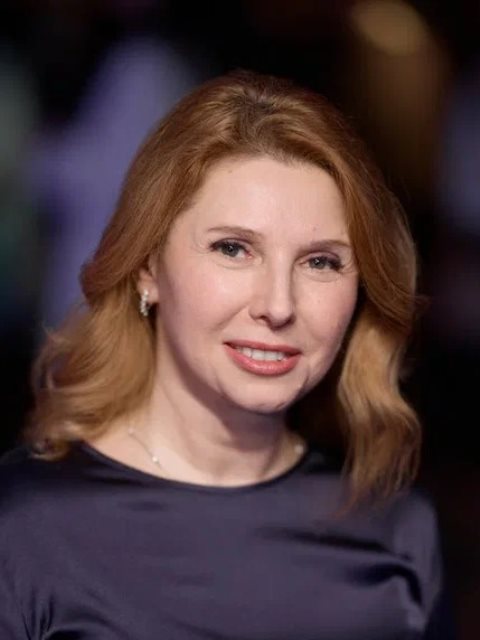
Victoria Vargina
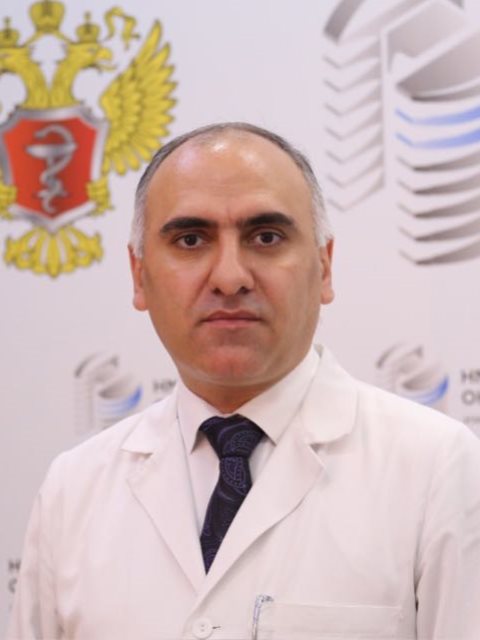
Tigran Gevorkyan
Evgeny Kamkin