NATIONAL
HEALTHCARE 2025
Business programme
- 23.10.2025
- 15:00–16:15
- National Center “Russia”, press room, 4th floor
- Broadcast
Artificial intelligence has made significant advances in healthcare in recent years. Pharmaceutical companies are already using neural networks to develop drugs and automate manufacturing, while the first drugs developed entirely by AI are undergoing clinical trials. In terms of clinical practice, neural networks have transitioned from performing supporting functions to active involvement, as they generate reports and conduct predictive analytics by extracting parameters from medical records. Furthermore, AI algorithms are being used in the automated analysis of medical images (CTs, MRIs, and X-rays), which improves the accuracy and speed of diagnosis. The main barriers to the integration of such technologies into clinical practice continue to be a lack of trust on the part of physicians, questions about how to ensure the confidentiality and integrity of medical information, and the absence of stable Internet access in remote regions with poorly developed digital infrastructure. What new strategies for modernizing healthcare through the introduction of innovative digital solutions are most applicable today? Which AI-based technological solutions have shown the greatest effectiveness in reducing the time and cost of bringing new drugs to market? What clinical decisions can AI agents already make autonomously, and what is the physician’s extent of responsibility for such decisions? How is the digital divide between physicians of different generations being addressed, and what programmes are available for specialists who are experiencing difficulties adapting to new technologies?

Speakers
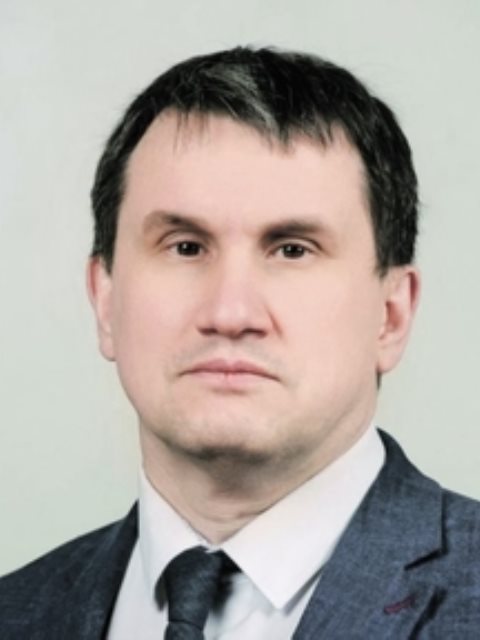
Igor Banin

Vadim Vankov

Sergey Zhdanov

Anna Mesheryakova